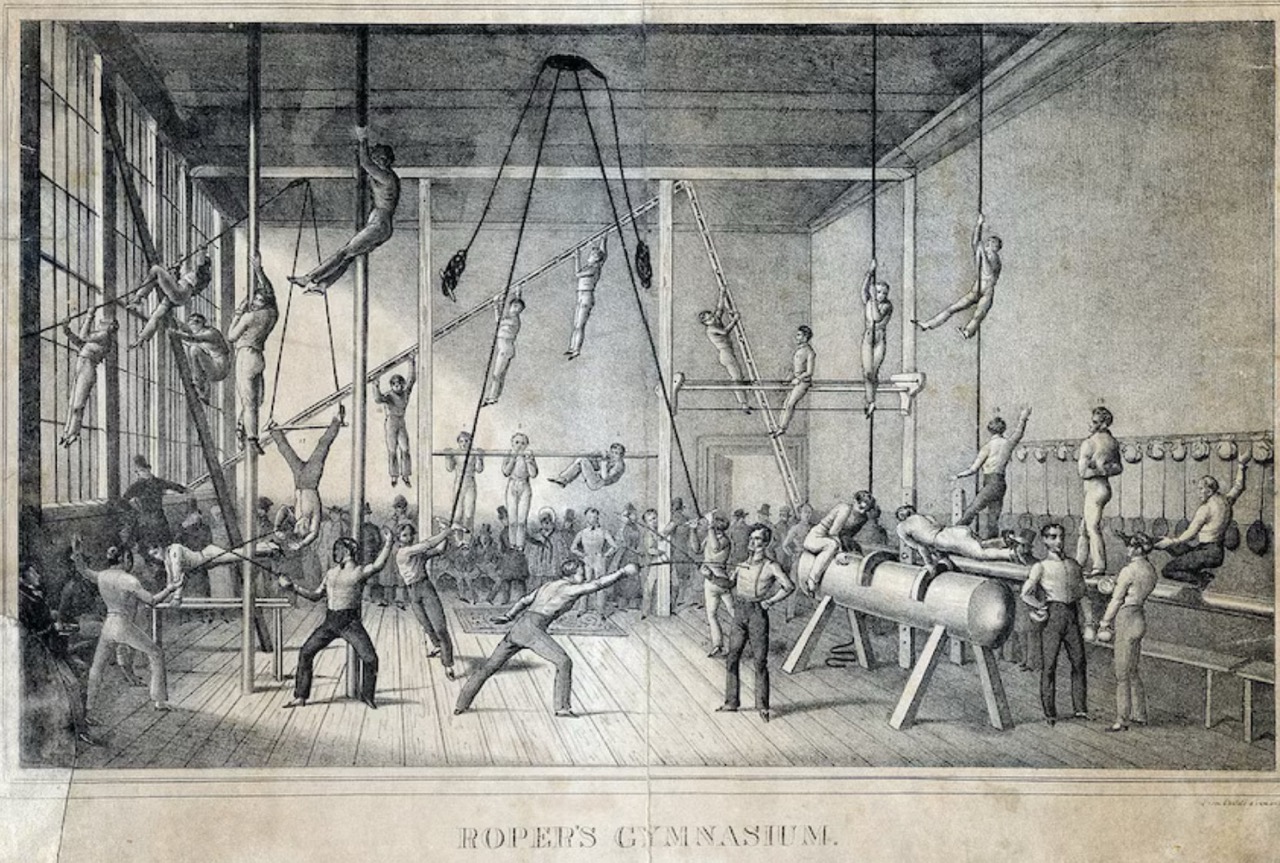
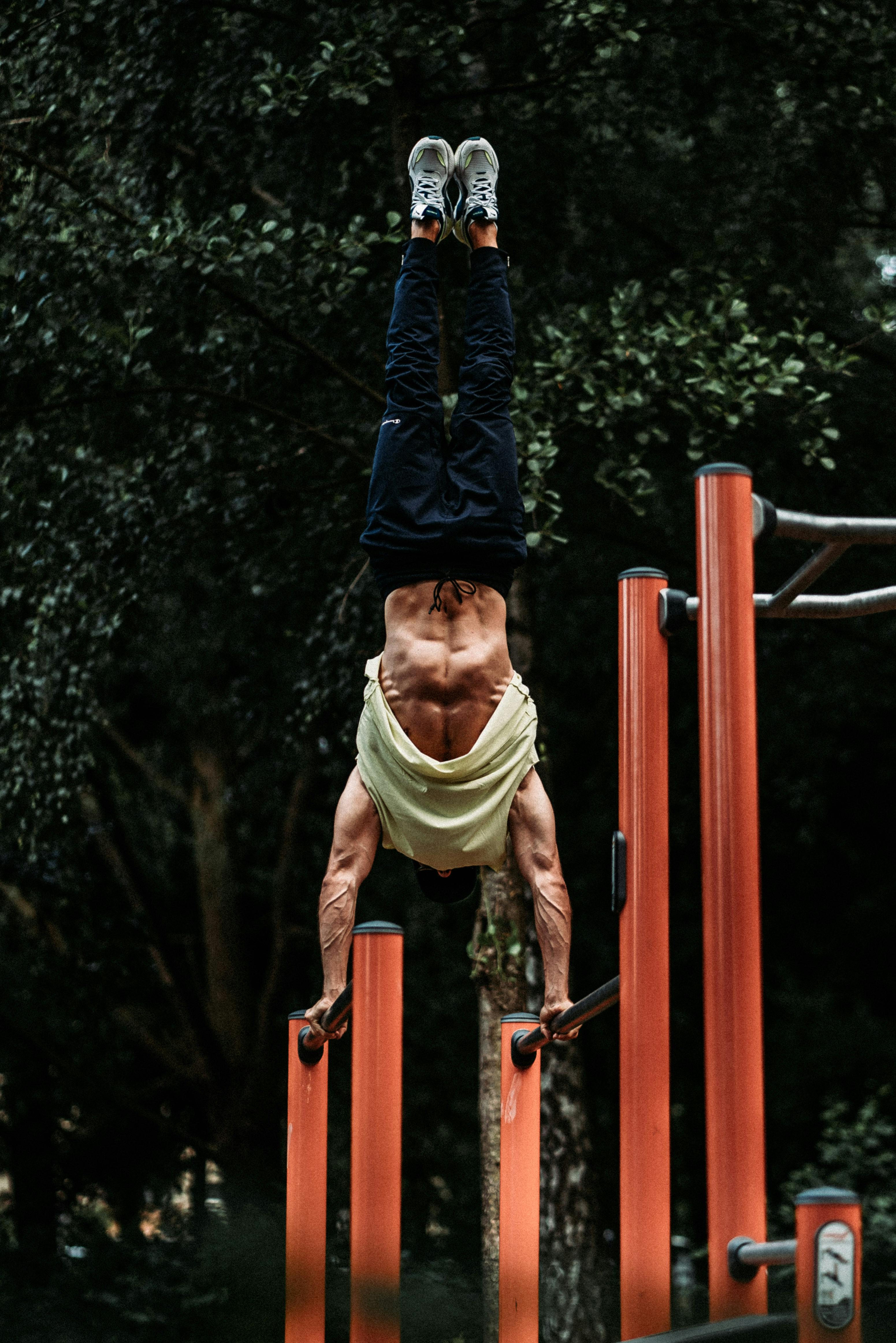
Calisthenics is honestly one of the oldest forms of training out there. The word literally comes from Greek — kalos (beauty) and sthenos (strength) — and people have been using just their own bodyweight to get strong for thousands of years.
Ancient Origins
The earliest version of organized calisthenics goes all the way back to ancient Greece, where soldiers and athletes trained in public gymnasiums. Spartan warriors used bodyweight stuff to get ready for battle, and a lot of those same exercises ended up in the early Olympics. The Romans took the idea and ran with it for their legions — for them, things like discipline, stamina, and balance were straight-up military skills. After that, the practice kept going in different forms for centuries through monks, scholars, and folk traditions all over Europe, Asia, and the Middle East.
In the late 1800s, calisthenics got formalized again as part of the European physical education movement. Guys like Friedrich Jahn in Germany and Per Henrik Ling in Sweden built actual systems of bodyweight gymnastics, and that's basically what your high school PE class is descended from. By the early 1900s, militaries around the world (including the U.S. Army) were using calisthenics as their default workout because it was free, needed zero equipment, and could be done anywhere.
The Modern Resurgence
Calisthenics kind of fell off in the late 1900s once commercial gyms, weight machines, and bodybuilding became the thing. Then in the 2000s it came back hard through what people call street workout — guys training outdoors, mostly in NYC parks, doing stuff like muscle-ups, human flags, planches, and front levers on whatever pull-up bar or bench was around. Crews like the Bar Brothers and athletes like Hannibal for King blew it up online, and YouTube basically turned a New York park scene into a worldwide thing.
Now there's an actual World Street Workout & Calisthenics Federation, international competitions, and tons of smaller communities meeting up in city parks all over the world. The appeal is the same as it was for the Greeks though — strength, control, and looking good doing it, with nothing but your body and somewhere to train.